
Lok Sabha Passes Tribunals Reforms Bill 2026 Without Debate
by- Deepak.S (LegexLeo)
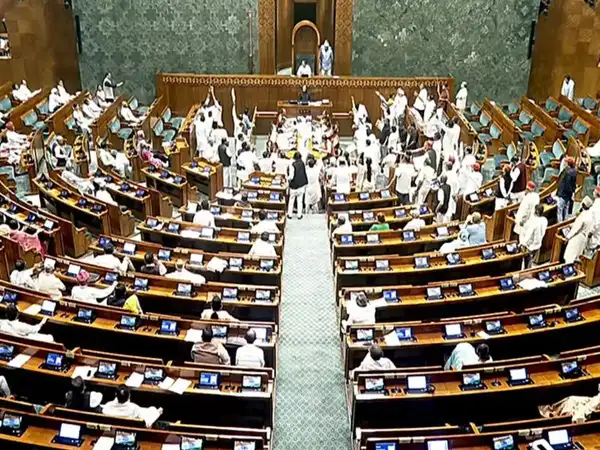
New Delhi, August 10, 2026 – In a move that has triggered widespread discussion across political and legal circles, the Lok Sabha today passed the Tribunals Reforms Bill 2026 without holding any debate. The bill, which seeks to restructure and streamline India’s tribunal system, was cleared swiftly, raising concerns about the lack of parliamentary deliberation on a matter that directly affects the country’s justice delivery framework.
What the Bill Proposes
The Tribunals Reforms Bill 2026 aims to reorganize and rationalize tribunal structures to improve efficiency and reduce delays in adjudication. Tribunals are quasi‑judicial bodies that handle specialized disputes in areas such as taxation, environment, and administrative law. The bill proposes merging certain tribunals with existing judicial bodies and revising the appointment process for tribunal members. According to the government, these changes are intended to simplify procedures, cut down on backlog, and ensure faster resolution of cases.
The legislation also seeks to redefine the tenure and service conditions of tribunal members, aligning them more closely with judicial standards. Supporters of the bill argue that it will help reduce bureaucratic overlap and make the system more transparent and accountable.
The Controversy
Despite its stated objectives, the passage of the bill without any debate has drawn criticism from opposition parties and legal experts. Parliamentary debate is a cornerstone of democratic governance, allowing elected representatives to scrutinize and refine legislation before it becomes law. Critics contend that bypassing this process undermines the spirit of democracy and weakens institutional checks and balances.
Opposition leaders have described the move as “undemocratic” and “hurried,” pointing out that tribunal reforms have long been a contentious issue requiring careful consideration. Legal scholars have also expressed concern that the new structure could compromise the independence of tribunals by increasing executive influence over appointments and administration.
Reactions
- Opposition voices have called the move “undemocratic,” stressing that reforms of this scale require thorough parliamentary scrutiny.
- Legal experts warn that restructuring tribunals without debate could weaken institutional independence.
- Government representatives maintain that the bill is necessary to cut down on delays and ensure smoother functioning of tribunals.
Why It Matters
Tribunals play a vital role in India’s justice ecosystem, offering an alternative to traditional courts for complex, technical disputes. Their independence and effectiveness are crucial to maintaining public trust in the rule of law. The manner in which the Tribunals Reforms Bill 2026 was passed – without deliberation – has reignited discussions about the balance between efficiency and democratic accountability in legislative processes.
As the bill moves toward implementation, its impact on judicial independence and administrative justice will be closely watched. The episode serves as a reminder that speed in governance must not come at the cost of transparency and debate, which remain the lifeblood of a healthy democracy.
Summary
The Lok Sabha passed the Tribunals Reforms Bill 2026 without any debate, sparking concerns about transparency and democratic accountability. The bill aims to restructure and streamline India’s tribunal system to improve efficiency and reduce delays in resolving disputes. It proposes merging certain tribunals, revising appointment procedures, and aligning service conditions of members with judicial standards. However, the absence of parliamentary discussion has drawn criticism from opposition leaders and legal experts, who argue that it undermines democratic scrutiny and could affect tribunal independence. While the government defends the move as necessary for modernization, critics warn that bypassing debate weakens public trust. The episode highlights the ongoing tension between speed in governance and the need for open, democratic deliberation in India’s legislative process.