
PARLIAMENT PASSES LANDMARK MINING AMENDMENT TO CURB STATE TAXING POWERS
by- Deepak.S (LegexLeo)
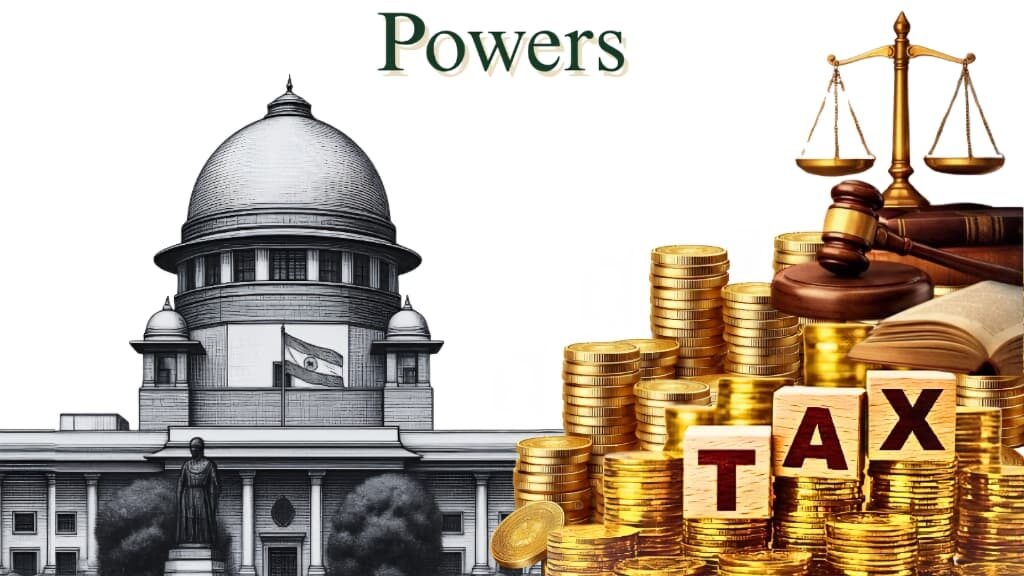
New Delhi, August 13, 2026 – The Parliament passed a historic amendment that curtails the powers of State Governments to impose taxes, cess, and other levies on mineral rights and mineral-bearing lands. This reform marks a decisive step toward creating a uniform fiscal regime for the mining sector, a move that could reshape the economic, political, and legal contours of resource governance in India.
Fragmented Fiscal Landscape
For decades, India’s mining sector has operated under a patchwork of fiscal regimes. While the Union Government retained authority over major mineral policies, individual states exercised significant autonomy in levying taxes and cess on mineral-bearing lands. This often led to:
- Inconsistent taxation structures across states.
- Uncertainty for investors, who faced varying fiscal obligations depending on location.
- Litigation and disputes between mining companies and state authorities.
The new amendment seeks to eliminate these inconsistencies by centralizing fiscal powers, thereby aligning India’s mining taxation framework with the broader goals of ease of doing business and investment promotion.
Key Provisions of the Amendment
- Centralized Authority: The Union Government now holds exclusive powers to impose taxes and levies on mineral rights.
- Uniform Fiscal Regime: A standardized taxation framework will apply across all states, ensuring predictability.
- Revenue Redistribution: While states lose direct taxing powers, compensatory mechanisms such as revenue-sharing models are expected to be introduced.
- Legal Safeguards: The amendment provides clarity on jurisdictional overlaps, reducing the scope for litigation.
Economic Implications
Boost to Investment
A uniform fiscal regime is expected to attract greater investment. Investors often cite unpredictable taxation as a deterrent. By streamlining fiscal obligations, India positions itself as a more attractive destination for both domestic and foreign mining companies.
Impact on Industries
Industries dependent on minerals such as steel, cement, and energy stand to benefit from reduced costs and greater supply chain stability. This could, in turn, lower input costs for infrastructure and manufacturing sectors.
State Revenues
The most contentious issue remains the impact on state revenues. States like Odisha, Jharkhand, and Chhattisgarh, which are rich in mineral resources, have historically relied on mining levies for substantial portions of their budgets. The amendment raises questions about how these states will be compensated.
Political and Federal Dimensions
Federalism at Crossroads
India’s Constitution enshrines a delicate balance between Union and State powers. Resource governance has traditionally been a contested domain. By curbing state taxation powers, the amendment rekindles debates on fiscal federalism.
State Reactions
Several state governments have expressed concern, arguing that the amendment undermines their autonomy. Some are expected to challenge the law in court, citing constitutional provisions that safeguard state rights over natural resources.
Union’s Justification
The Union Government defends the amendment as a necessary step to modernize India’s mining sector. Officials argue that fragmented taxation discouraged investment and hampered national growth. The move is positioned as analogous to the introduction of GST, which unified indirect taxation across India.
Legal Challenges Ahead
Legal experts anticipate petitions in the Supreme Court challenging the amendment. Key questions include:
- Does the Union have constitutional authority to override state taxation powers on mineral rights?
- How will revenue-sharing mechanisms be structured to ensure states are not financially disadvantaged?
- Could this set a precedent for further centralization of fiscal powers in other sectors?
Industry Response
Mining Companies
Industry associations have largely welcomed the reform. For them, reduced compliance costs and predictable taxation are significant advantages. Many see this as a step toward aligning India’s mining sector with global best practices.
Local Communities
However, local communities and environmental groups remain cautious. They argue that revenues from mining should directly benefit those affected by mining activities. Without state-level control, there is concern that local interests may be sidelined.
Environmental Concerns
Critics also warn that centralization could weaken environmental safeguards. States often imposed levies tied to ecological restoration. A uniform regime may prioritize economic efficiency over environmental sustainability.
Comparative Perspective
Globally, resource taxation varies widely. Countries like Australia and Canada allow significant provincial or state-level control, while others centralize fiscal authority. India’s amendment moves it closer to the latter model, emphasizing national uniformity over regional autonomy.
Potential Benefits
- Ease of Doing Business: Simplified taxation reduces bureaucratic hurdles.
- Investment Promotion: Predictability attracts long-term capital.
- National Growth: A stronger mining sector could contribute significantly to GDP.
Risks and Challenges
- State Discontent: Loss of fiscal autonomy may fuel political tensions.
- Revenue Redistribution: Ensuring fair compensation to mineral-rich states is critical.
- Legal Uncertainty: Court challenges could delay implementation.
- Community Concerns: Ensuring local benefits remains a pressing issue.
A GST Moment for Mining?
The 13 August 2026 amendment could prove as transformative for the mining sector as the GST was for indirect taxation. By centralizing fiscal powers, India aims to create a more predictable and investment-friendly environment. Yet, the success of this reform will depend on how effectively the Union Government addresses concerns of states, communities, and environmental stakeholders.
If managed well, this amendment could usher in a new era of resource governance, positioning India’s mining sector as a driver of national growth. If mishandled, however, it risks deepening federal tensions and alienating those most affected by mining activities.
Summary
On 13 August 2026, Parliament passed a landmark amendment restricting State Governments from imposing taxes, cess, and levies on mineral rights and mineral-bearing lands. The reform establishes a uniform fiscal regime for India’s mining sector, aiming to reduce fragmentation and boost investor confidence. While industry stakeholders welcome simplified compliance and predictable taxation, mineral-rich states fear revenue losses and erosion of fiscal autonomy. The Union Government defends the move as essential for modernization, likening it to GST’s unification of indirect taxes. Legal challenges and debates on fiscal federalism are expected, alongside calls for fair revenue-sharing mechanisms.