
How India’s highest court struck a balance between tradition, law, and community sentiment
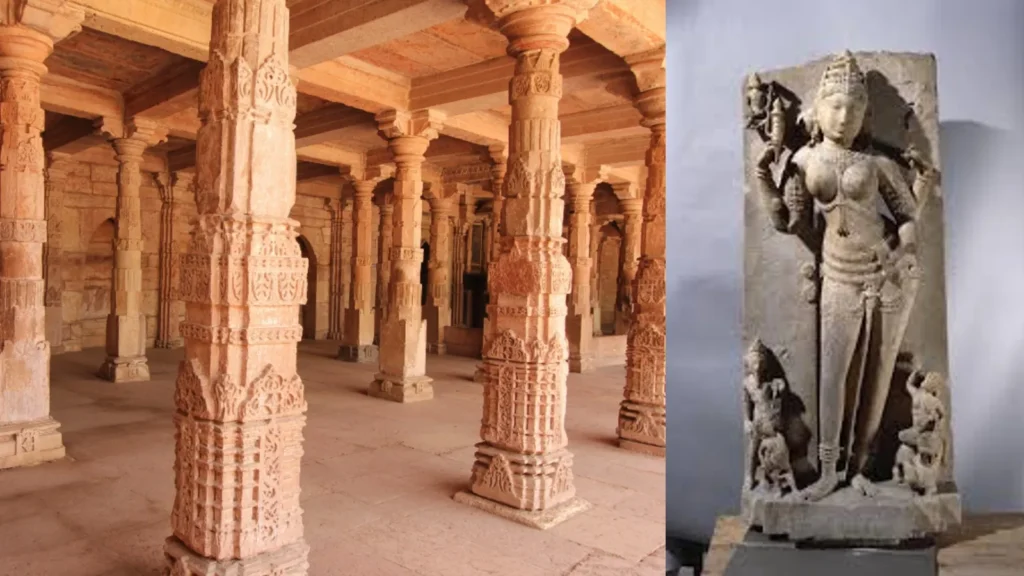
In a thoughtful order delivered on January 22, 2026, the Supreme Court of India stepped into one of the country’s longest-standing shared-space religious disputes — the Bhojshala–Kamal Maula complex in Dhar, Madhya Pradesh — and laid down a practical schedule for Basant Panchami worship that respects both Hindu and Muslim traditions.
What’s the Issue at Bhojshala?
The Bhojshala complex is an 11th-century monument protected by the Archaeological Survey of India (ASI). Hindus regard part of the site as a temple dedicated to Goddess Saraswati (Vagdevi), while Muslims consider another portion a mosque known as Kamal Maula.
For years, a regulated arrangement has existed:
- Hindus are permitted to worship on Tuesdays and on Basant Panchami
- Muslims are permitted to offer Friday (Juma) prayers between 1 pm and 3 pm
This year, however, Basant Panchami fell on a Friday, creating a clash between a full-day Hindu festival and the fixed Friday prayer schedule.
What Did the Supreme Court Decide?
Faced with urgent petitions and concerns over law and order, the Supreme Court heard the matter and issued directions aimed at maintaining peace while protecting religious rights.
The Court ordered:
- Hindu worship for Basant Panchami to be permitted from sunrise to sunset
- Muslim Juma Namaz to be allowed between 1 pm and 3 pm on the same day
- Both prayers to be conducted in separate designated areas within the Bhojshala complex
- Local administration to ensure security, coordination, and smooth conduct of events
The Court made it clear that the objective was accommodation, not exclusion.
Why This Order Matters
This decision goes beyond a one-day schedule. It highlights how constitutional courts can manage sensitive religious issues without escalating tensions.
Key takeaways include:
- The Court respected existing traditions of both communities rather than rewriting history
- Clear timelines and spatial separation reduced the scope for confusion or confrontation
- Administrative supervision ensured that the burden of maintaining peace did not fall solely on the worshippers
Instead of choosing sides, the Court chose balance.
A Message of Coexistence
The order reflects a deeper constitutional principle: freedom of religion must coexist with public order and mutual respect.
By allowing both Basant Panchami puja and Juma Namaz on the same day, the Supreme Court reaffirmed that shared spaces do not have to become contested spaces — provided there is clarity, cooperation, and goodwill.
The judgment quietly reinforces the idea that India’s secularism is about coexistence, not isolation.
What Happens Next?
While the order settles the schedule for this year’s Basant Panchami, broader issues relating to the Bhojshala dispute remain pending before the Madhya Pradesh High Court, including consideration of ASI survey materials.
For now, the Supreme Court’s directions provide a roadmap for peaceful observance — one that prioritizes calm over conflict and dialogue over disruption.