
by- Deepak.S (LegexLeo)
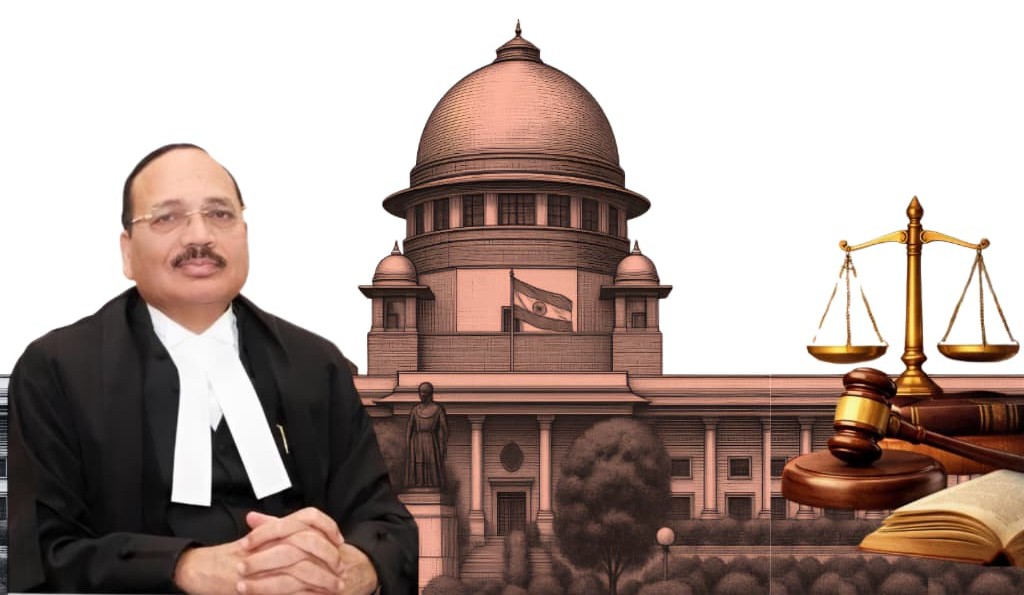
Delhi, August 24, 2026 – The Supreme Court of India has once again placed the spotlight on accountability and justice in the aftermath of the Jantar Mantar protests, with Chief Justice of India (CJI) Surya Kant directing that allegations of sexual assault be investigated on a priority basis.
The Jantar Mantar protests, which erupted on July 20, 2026, were initially a student-led demonstration against alleged administrative apathy and police excesses. However, the protests quickly escalated into a national debate after disturbing reports surfaced of female protesters being subjected to harassment and sexual assault by police personnel. In response, the Supreme Court constituted a High-Powered Enquiry Committee (HPEC) to probe the incidents. On August 24, 2026, the Court clarified that sexual assault complaints must be taken up first, signaling its determination to ensure justice for victims.
Judicial Directions
- Priority Mandate: CJI Surya Kant emphasized that the Court’s August 18 order already requires the HPEC to examine sexual assault complaints first and submit an interim report urgently.
- Victim Access: The Committee Chairperson has been empowered to appoint nodal officers to facilitate complaint collection. An email ID for submissions will also be publicized, ensuring victims can report incidents securely.
- Advocate’s Plea: Senior Advocate Shobha Gupta urged the Court to take suo motu cognizance, citing widespread reports of girls being assaulted by police. She requested a separate mechanism for victims to approach District Judges directly.
- Judicial Response: Justice Joymalya Bagchi noted that a writ petition on the issue is already pending, while the CJI reiterated that the existing framework already prioritizes sexual assault cases.
Committee’s Mandate
The five-member HPEC, chaired by Justice R. Subhash Reddy (Retd.), has been tasked with investigating:
- Targeted violence and harassment of female protesters.
- Excessive police force during demonstrations.
- Counter-allegations made by police against protesters.
The Committee is expected to deliver an interim report on sexual assault cases before proceeding to broader issues of police excesses and protester conduct.
Historical Context of Protest Investigations
India has a long history of protests leading to judicial scrutiny. From the Nirbhaya case protests in 2012 to the farmers’ agitation of 2020-21, the judiciary has often stepped in to ensure accountability when allegations of violence and misconduct surface.
The Jantar Mantar protests add to this continuum, highlighting the fragility of protest spaces and the need for robust safeguards for women.
Implications of the Court’s Order
- Accountability: Police conduct during protests will be scrutinized, particularly regarding women’s safety.
- Transparency: Interim reports and nodal officers ensure victims’ complaints are addressed promptly.
- Legal precedent: Prioritizing sexual assault allegations sets a strong precedent for handling similar cases in future protest contexts.
- Public trust: By prioritizing sexual assault cases, the judiciary reinforces its role as a guardian of fundamental rights.
Challenges Ahead
While the Court’s directive is clear, several challenges remain:
- Ensuring victims feel safe to come forward.
- Preventing politicization of the inquiry.
- Guaranteeing that interim reports lead to concrete action, not just symbolic gestures.
- Balancing the rights of protesters and police personnel, especially in cases where counter-allegations exist.
The Supreme Court’s intervention in the Jantar Mantar protests marks a decisive step toward justice. By mandating priority investigation into sexual assault allegations, the Court has sent a clear message: justice for victims cannot wait.
This directive strengthens accountability mechanisms, ensures transparency, and sets a precedent for handling similar cases in the future. As the HPEC begins its work, the nation will be watching closely to see whether this judicial resolve translates into meaningful outcomes for those who suffered during the protests.
Summary
The Supreme Court of India has directed its High-Powered Enquiry Committee (HPEC) to prioritize investigations into sexual assault allegations arising from the July 20 Jantar Mantar student protests. Chief Justice of India Surya Kant clarified that the Court’s August 18 order already mandates the Committee to examine sexual assault complaints first and submit an interim report urgently. The five-member panel, chaired by Justice R. Subhash Reddy (Retd.), will also probe allegations of excessive police force and counter-claims against protesters. Senior Advocate Shobha Gupta urged the Court to take suo motu cognizance, citing reports of girls being assaulted by police, and requested a separate mechanism for victims to approach District Judges. The Court responded by empowering the Committee to appoint nodal officers and publicize an email ID for complaints, ensuring victims have secure access. This directive underscores judicial commitment to accountability, transparency, and women’s safety.